Blog / 25 September 2026
What a furnace tune-up actually includes (and what a cheap one skips)
A real tune-up is eleven documented steps. A 49-dollar special is often two steps and a sticker.
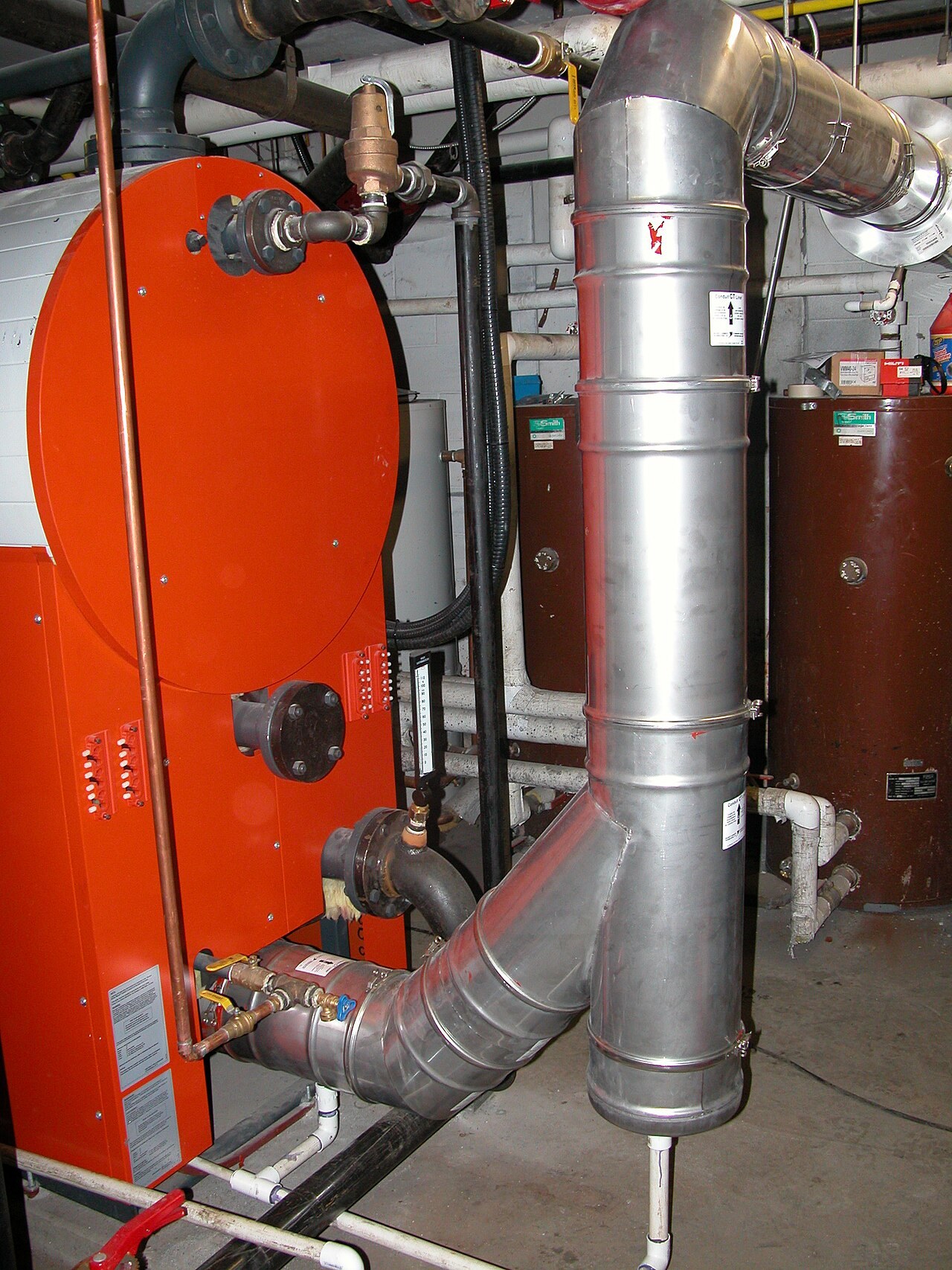
Ask three companies what a tune-up includes and you will get three answers, because the trade has no enforced standard. Ours has eleven documented steps, and we are happy to publish them: filter check and replacement sizing; thermostat calibration; blower amp draw and capacitor test; burner and flame-sensor cleaning; combustion analysis with a printed CO reading; heat-exchanger visual inspection; inducer and pressure-switch test; safety-limit testing; gas-leak check at the valve and union; venting and backdraft check; and a written condition report you keep. Every step is initialed on the invoice.
The cut-rate version of this service is two steps — a filter change and a sales pitch for a new system — padded with a sticker on the furnace. The giveaway is the absence of numbers. A real tune-up produces measurements: CO in parts per million, blower amps against spec, gas pressure at the manifold. If the technician cannot show you a printed number, nothing was measured, and nothing was tuned.
Why it matters beyond reliability: manufacturers increasingly condition parts warranties on documented annual service, and documented means an invoice with the work itemized — which is exactly what a proper tune-up produces. The sticker version leaves you unprotected twice: once when it fails to find the cracked heat exchanger, and again when the manufacturer declines the warranty claim for lack of service records.
Schedule service — fixed $89 diagnostic visit, deducted from the repair, one-year warranty. Or call +1 (614) 555-0138.
More from the blog
Six checks that take an afternoon and prevent the three failures we see most every first-freeze week.
Forced air and hot water are different machines with different failure modes, different lifespans and different repair economics.
CO is odorless, colorless, and produced by every gas heating system. The defenses are cheap and specific.