Blog / 11 September 2026
Furnace or boiler? What your Ohio home has and why it matters
Forced air and hot water are different machines with different failure modes, different lifespans and different repair economics.
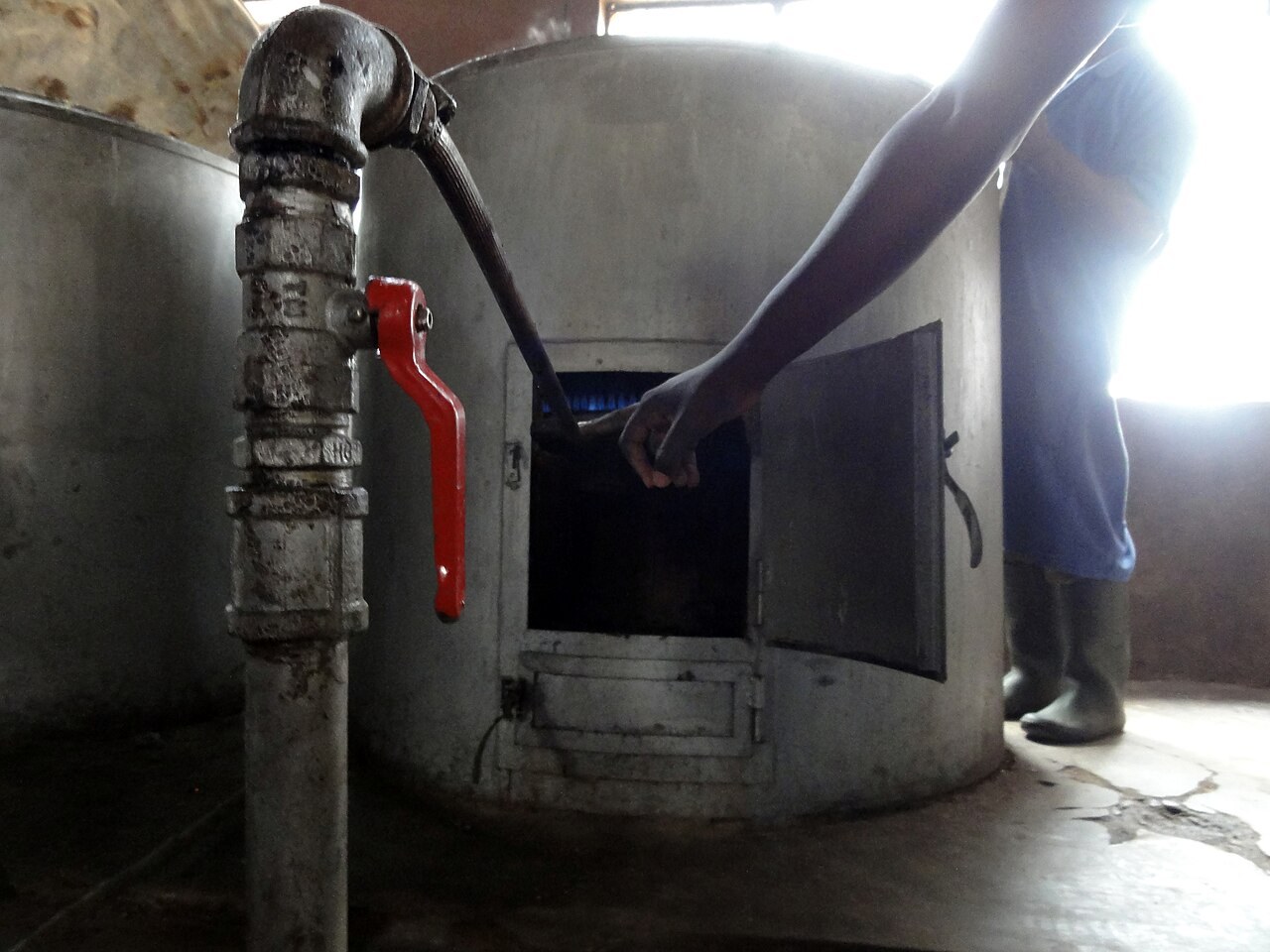
Furnaces heat air and push it through ducts; boilers heat water and send it through pipes to radiators or underfloor loops. You can tell which you have in ten seconds: radiators or baseboard piping mean boiler; ceiling and floor grilles mean furnace. The distinction matters because everything — expected lifespan, typical failures, repair pricing, even the right technician — flows from it.
Furnaces are faster and cheaper to repair, with most common failures (ignitors, sensors, blowers, boards) landing between one and three hundred dollars parts included. Their weakness is the heat exchanger: a cracked exchanger is a safety issue and often a system-ender on older units. Boilers last longer — thirty years is common for cast iron — and their failures skew cheaper still: circulators, zone valves, expansion tanks, relief valves. The boiler jobs that cost real money are heat exchangers and chronic leaks, and even those usually lose honestly to replacement math.
The practical advice: whichever you have, learn its age and keep one year of service invoices. Age plus service history is ninety percent of any repair-versus-replace decision, and the technician who knows both before arriving will quote you straighter and fix you faster.
Schedule service — fixed $89 diagnostic visit, deducted from the repair, one-year warranty. Or call +1 (614) 555-0138.
More from the blog
Six checks that take an afternoon and prevent the three failures we see most every first-freeze week.
A real tune-up is eleven documented steps. A 49-dollar special is often two steps and a sticker.
CO is odorless, colorless, and produced by every gas heating system. The defenses are cheap and specific.